
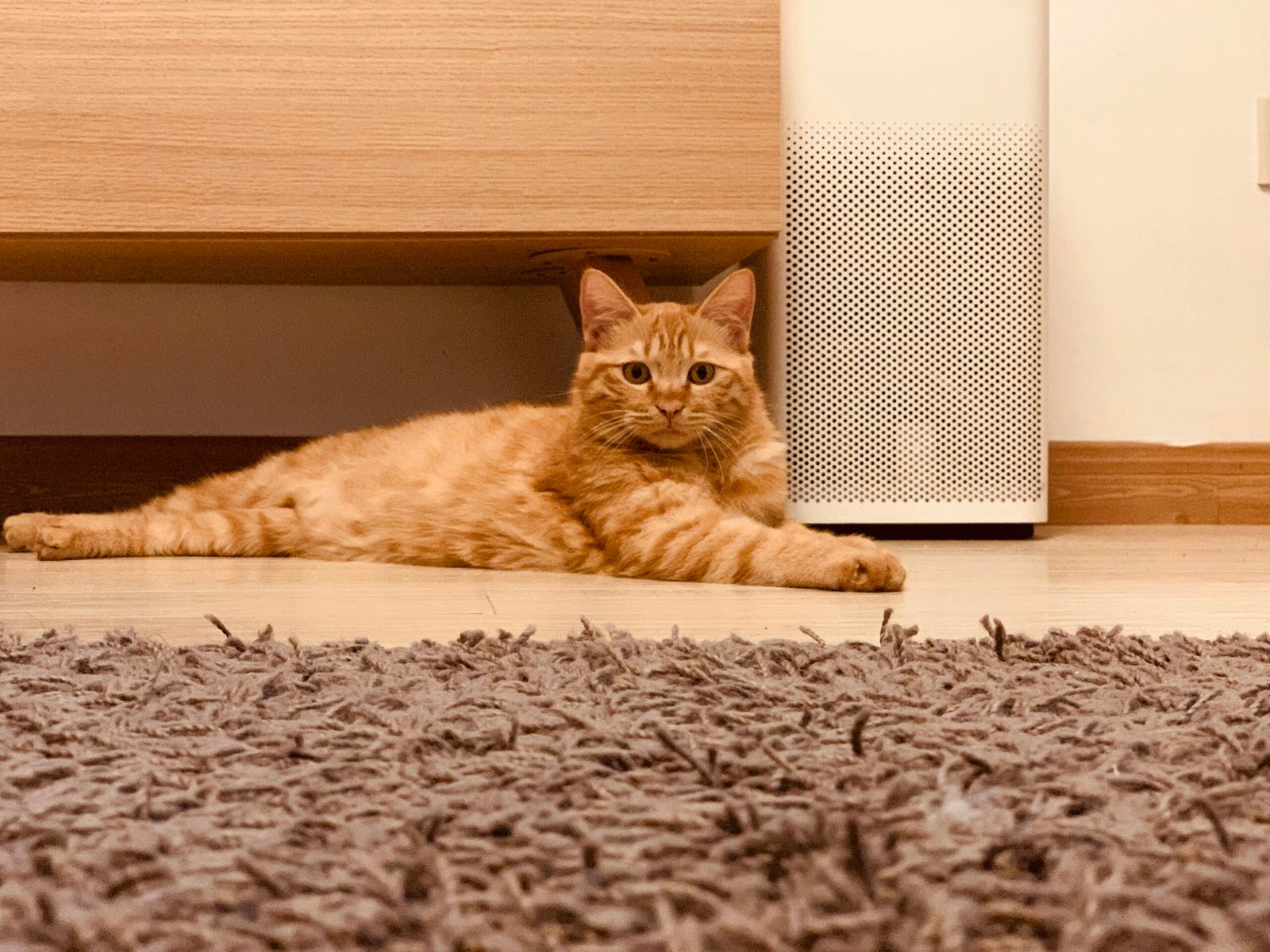
Understanding Air Purifiers
Air purifiers are designed to enhance indoor air quality by removing various airborne pollutants, including allergens, dust, and pet-related irritants. The fundamental operation of these devices involves drawing in air from the environment, passing it through specialised filters, and then releasing cleaner air back into the room. Among the common filters used in air purifiers, High-Efficiency Particulate Air (HEPA) filters are renowned for their effectiveness in capturing small particles. According to industry standards, HEPA filters can trap at least 99.97% of particles that are 0.3 microns in diameter, which includes pet dander and other allergens.
Pet owners often inquire whether an air purifier can help with pet hair or just allergens. While pet hair is larger in size and typically does not pose a significant risk as an allergen, pet dander, which contains skin flakes and other biological substances, is much smaller and poses a challenge for many individuals with allergies. Most high-quality air purifiers are equipped with multiple filtration stages. Besides HEPA filters, some also include activated carbon filters, which absorb odours and harmful gases, enhancing the purifier’s overall efficiency.
The effectiveness of air purifiers can vary depending on their design, motor power, and filtration capabilities. Various models are rated according to their Clean Air Delivery Rate (CADR), which measures the volume of filtered air delivered by an air purifier. A higher CADR rating indicates greater effectiveness in removing specific particles and allergens from the air. For pet owners, this means choosing an air purifier that specifically mentions its efficacy against pet dander and has been tested to meet recognised standards. Overall, while air purifiers primarily target airborne allergens such as pet dander, many models can also assist in managing pet hair and enhancing the quality of life for individuals sensitive to these irritants.
The Impact of Pet Hair and Dander on Allergies
Pet ownership brings joy and companionship, yet it also introduces potential allergens into the home environment, which can significantly affect individuals with allergies. Among the most concerning allergens are pet hair and pet dander. While pet hair itself can be a nuisance, it is primarily pet dander that triggers allergic reactions. Pet dander consists of tiny skin flakes shed by animals, along with saliva and urine residues. These particles are microscopic in size, allowing them to remain airborne for extended periods and spread throughout the living space.
Understanding the distinction between pet hair and pet dander is crucial for pet owners, especially those sensitive to allergens. Pet hair may be evident on furniture and clothing, but it is dander that often poses a greater risk to allergy sufferers. When pet hair combines with dander, it can create a complex situation where larger hair particles act as carriers for the smaller dander fragments, exacerbating allergic reactions. This combination of allergens can lead to symptoms such as sneezing, nasal congestion, and respiratory issues, impacting the quality of life for many individuals.
In homes with pets, these allergens can circulate and accumulate on surfaces like carpets, upholstery, and bedding, making exposure difficult to avoid. Regular cleaning, including vacuuming with HEPA filters and washing pet bedding, is vital for minimising the presence of these allergens. However, even the most thorough cleaning may not eliminate the problem. This factor raises the question for pet owners: Does an air purifier help with pet hair or just allergens? Utilising air purifiers equipped with high-efficiency particulate air (HEPA) filters can play a significant role in trapping and removing both pet hair and dander from the air, contributing to a healthier indoor environment.
How Effective Are Air Purifiers Against Pet Hair and Dander?
Air purifiers are increasingly recognised by pet owners as a solution to alleviate issues related to pet hair and dander. These devices can significantly improve indoor air quality by capturing airborne particles, including allergens associated with pets. Studies indicate that HEPA (High-Efficiency Particulate Air) filters are highly effective in trapping small particles, such as pet dander, which can often provoke allergies.
The efficiency of an air purifier in managing pet hair and dander, however, is influenced by several variables. One primary factor is the size of the space being treated. Larger rooms may require more powerful air purifiers or multiple units to achieve optimal air filtration. Additionally, the type of air purifier selected plays a critical role. Models with multiple filtration stages, including pre-filters and activated carbon filters, tend to be more effective in removing both pet hair and dander compared to standard units that lack these features.
Regular maintenance is another crucial aspect to consider. Air purifiers will perform efficiently only if the filters are changed according to the manufacturer’s recommendations. Neglecting to replace the filters can lead to a buildup of trapped particles, causing the purifier to function poorly. In comparison to other cleaning methods, such as vacuuming or dusting, air purifiers provide continuous filtration, working silently in the background to maintain cleaner air.
While vacuuming does help by physically removing pet hair and dander from surfaces, it does not mitigate airborne allergens as effectively. Combining air purifiers with traditional cleaning methods yields the best results for pet owners striving to minimise allergens in their homes. By employing both strategies, individuals can create a healthier living environment for themselves and their pets.
Tips for Choosing the Right Air Purifier for Pet Owners
For pet owners seeking an effective solution to maintain a clean living environment, selecting the appropriate air purifier involves careful consideration of several key features. One of the most crucial aspects is the type of filter utilised. HEPA filters are generally regarded as the gold standard for capturing pet hair and dander, given their ability to trap particles as small as 0.3 microns. This effectiveness is essential for individuals concerned about allergens that may exacerbate respiratory issues.
The Clean Air Delivery Rate (CADR) is another vital specification to review. This metric provides insights into how effectively an air purifier can remove pollutants from the air, including pet dander and hair. Higher CADR ratings indicate better performance in specific pollutants, making it easier for pet owners to identify models tailored for their needs. Additionally, potential purchasers should consider the noise level of the unit, especially if it will be used in a bedroom or a quiet area of the home. Many modern purifiers offer a range of settings to ensure quiet operation, even on higher fan speeds.
Coverage area is also an important factor; selecting a purifier that fits the size of the space where pets spend most of their time ensures optimal performance. Various models are designed for different room sizes, so checking the manufacturer’s recommendations can aid pet owners in making an informed choice.
Regarding maintenance and upkeep, it is essential to replace filters regularly, usually every 6 to 12 months, to maintain the device’s efficiency in reducing pet hair and allergens. Furthermore, understanding common misconceptions about air purifiers is necessary. While they assist in alleviating some of the effects associated with pet ownership, it is important to note that air purifiers do not eliminate the need for routine cleaning practices. In conclusion, when chosen correctly, an air purifier can significantly improve the quality of life for both pet owners and their furry companions
Look for two different bestsellers on Amazon!
https://amzn.to/3WLi4R8
https://amzn.to/4hgRqJq