
Understanding Mould Growth
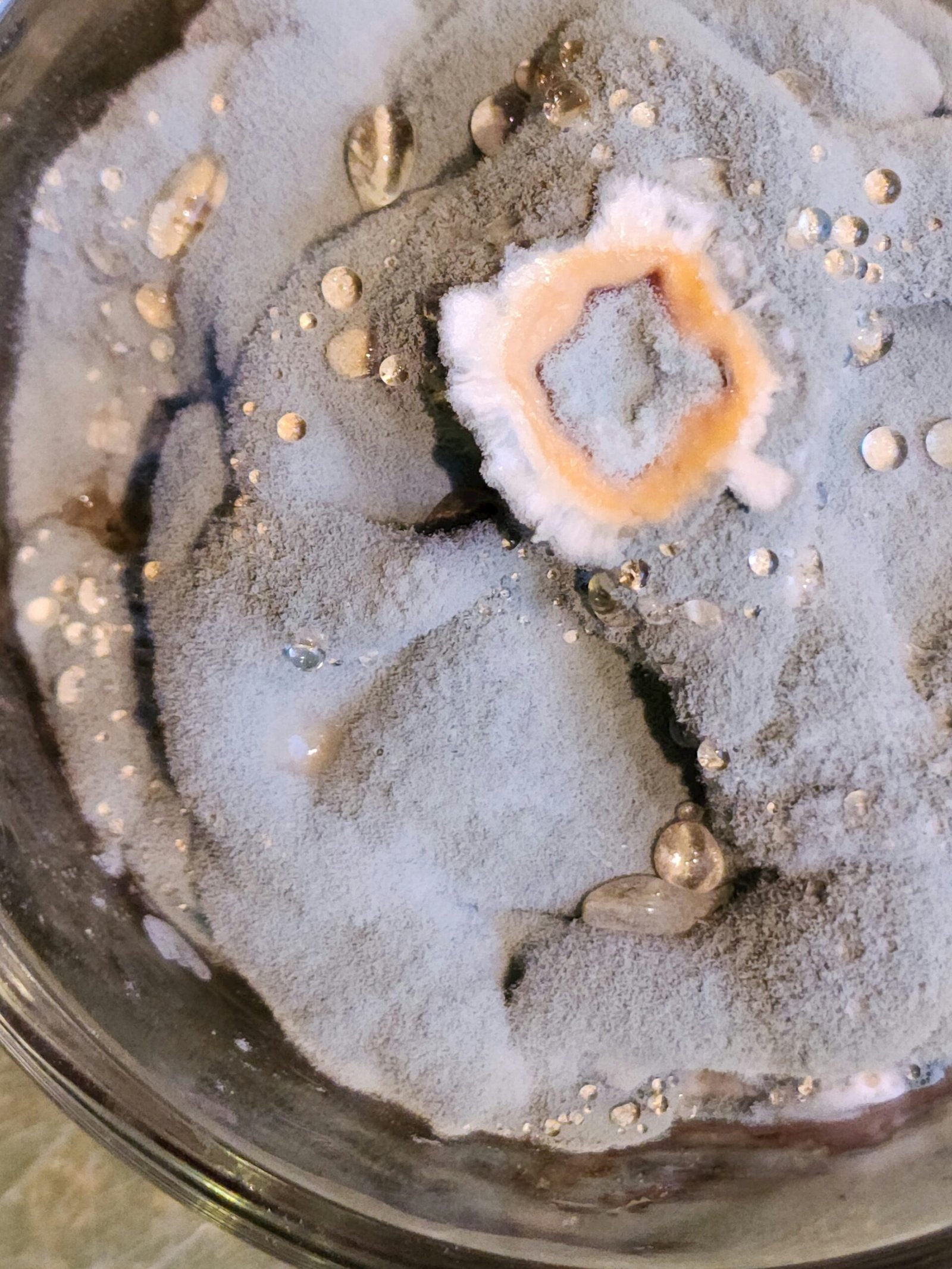
Mould is a type of fungus that can be found in various environments, thriving in damp, humid conditions. It reproduces through tiny spores that can be easily carried through the air, establishing colonies when they settle in suitable conditions. Mould requires moisture, organic material, and appropriate temperatures to grow, with common household locations including bathrooms, kitchens, and basements, where these conditions are often present.
There are several types of mould commonly encountered in household settings, including black mould (Stachybotrys chartarum), which is notorious for its potential health risks, and Aspergillus. Mould exposure can lead to several symptoms, such as respiratory issues, allergic reactions, and skin irritation. Individuals with weakened immune systems or pre-existing respiratory conditions are particularly susceptible to these health concerns. The presence of mould can pose significant risks, not only to physical health but also to overall indoor air quality.
The key to mould prevention lies in effectively managing moisture levels within a home. High humidity levels create an ideal environment for mould to flourish, making it crucial to monitor relative humidity, which should generally be kept between 30% and 50%. Implementing strategies to control humidity is vital for inhibiting mould growth. This can involve the use of dehumidifiers that help to extract excess moisture from the air. By maintaining optimal humidity levels, homeowners can reduce the likelihood of mould proliferation.
In summary, understanding the science behind mould growth and the environmental conditions that foster its development is essential. Effective moisture control, particularly through methods like using dehumidifiers, plays a critical role in preventing mould and ensuring a healthy living environment. Recognising the types of mould, the symptoms of exposure, and the importance of humidity management can aid in mitigating risks associated with indoor mould growth.
The Role of Dehumidifiers
Dehumidifiers are essential appliances designed to manage indoor humidity levels by removing excess moisture from the air. Their primary function is to create a healthier living environment, particularly in areas vulnerable to dampness and mould growth. By lowering humidity levels, dehumidifiers can play a critical role in mitigating mould-related issues, while also enhancing overall comfort and air quality in homes.
There are various types of dehumidifiers available on the market, including refrigerant, desiccant, and whole-house models. Refrigerant dehumidifiers utilise cooling coils to condense moisture from the air, while desiccant units employ absorbent materials to draw moisture from the environment. Whole-house dehumidifiers can be integrated into existing HVAC systems, providing comprehensive humidity control throughout the entire dwelling. The effectiveness of these appliances depends largely on their capacity, efficiency, and the humidity levels present in the home.
Maintaining appropriate humidity levels is paramount in controlling mould growth. Ideally, indoor humidity should be kept between 30% and 50%. When humidity exceeds this range, the risk of mould proliferation increases significantly. Dehumidifiers can help by effectively reducing air moisture, thus creating an inhospitable environment for mould spores, which thrive in damp conditions.
To maximise the effectiveness of dehumidifiers in combating mould, regular maintenance is crucial. This includes cleaning or replacing filters and ensuring the unit is operating efficiently. Additionally, placing dehumidifiers in mould-prone areas—such as basements, bathrooms, and kitchens—will enhance their ability to control humidity effectively. By understanding the functionalities and strategic utilisation of dehumidifiers, homeowners can significantly reduce the likelihood of mould-related issues and promote a healthier indoor atmosphere.
Does Using a Dehumidifier Guarantee Mould Reduction?
The effectiveness of a dehumidifier in reducing mould is often questioned, especially in areas prone to humidity. While dehumidifiers can significantly mitigate moisture levels, their ability to guarantee mould reduction largely depends on several critical factors. First and foremost, understanding the conditions that foster mould growth is essential. Mould thrives in environments where humidity levels exceed 60%, and moisture is present from sources such as leaks, condensation, or high water tables. Therefore, addressing the source of moisture is crucial; if these elements remain untreated, a dehumidifier alone may not be sufficient to eradicate mould.
In situations where the moisture source has been removed, dehumidifiers can create an environment less conducive to mould reproduction. Studies have shown that maintaining relative humidity below 50% can substantially inhibit mould growth. Users often report decreased mould presence in humid areas of their homes after implementing a dehumidifier, suggesting that these devices can indeed play a role in mould mitigation. Additionally, dehumidifiers improve ventilation by circulating drier air, which can further deter mould proliferation.
However, it is vital to note that placing a dehumidifier in a space with existing mould infestations does not ensure the complete removal of mould spores from surfaces. In such cases, physically cleaning affected areas may still be necessary. Furthermore, a poorly maintained dehumidifier can become a breeding ground for mould itself, emphasising that users need to ensure proper cleaning and upkeep of the appliance. Thus, while dehumidifiers can significantly reduce the likelihood of mould growth, they are not a one-size-fits-all solution. The complexities of moisture management and existing conditions warrant that users consider additional methods to effectively combat mould issues. In conclusion, while dehumidifiers contribute to mould reduction, they must be part of a comprehensive approach to ensure long-term success.
Best Practices for Mould Prevention
While dehumidifiers can play a significant role in managing humidity levels, effectively reducing mould, a comprehensive approach to mould prevention is crucial for lasting results. One of the primary strategies is to enhance ventilation within the home. Ensuring that indoor areas have proper airflow helps reduce moisture in the air, which is essential for inhibiting mould growth. Open windows, use exhaust fans in high-moisture areas like kitchens and bathrooms, and consider installing vents to encourage air circulation.
In addition to ventilation, employing air purifiers can further aid in managing indoor air quality. These devices can capture airborne spores and reduce overall humidity, complementing the functions of dehumidifiers. Regular maintenance and timely replacement of filters are necessary to maximise their effectiveness in preventing mould spores from settling.
Another preventive measure involves regularly inspecting the home for any leaks, both visible and hidden. Addressing leaks promptly can prevent moisture accumulation, thereby discouraging mould from forming. It is advisable to check around windows, roofs, and plumbing fixtures. Additionally, maintaining gutter systems is vital; clogged gutters can cause water to overflow and seep into walls and foundations, creating a moist environment for mould growth.
Furthermore, keeping surfaces dry is essential. Wipe down damp areas, especially after showers or spills, and dry clothing and towels promptly. Regularly monitoring for signs of mould presence, such as unusual stains or a musty smell, can also facilitate early detection and intervention. Implementing these multifaceted methods—improving ventilation, utilising air purifiers, checking for leaks, maintaining gutters, and ensuring surfaces remain dry—can significantly enhance efforts to manage humidity and combat mould effectively.