The Growing Demand for Health Data
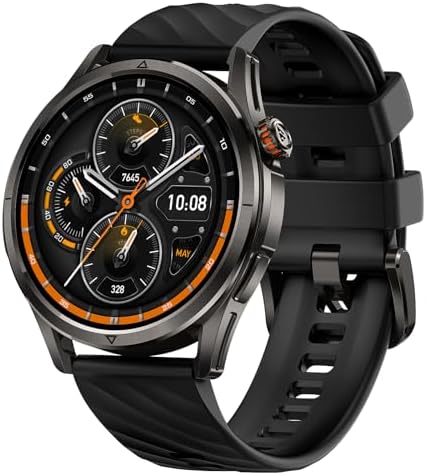
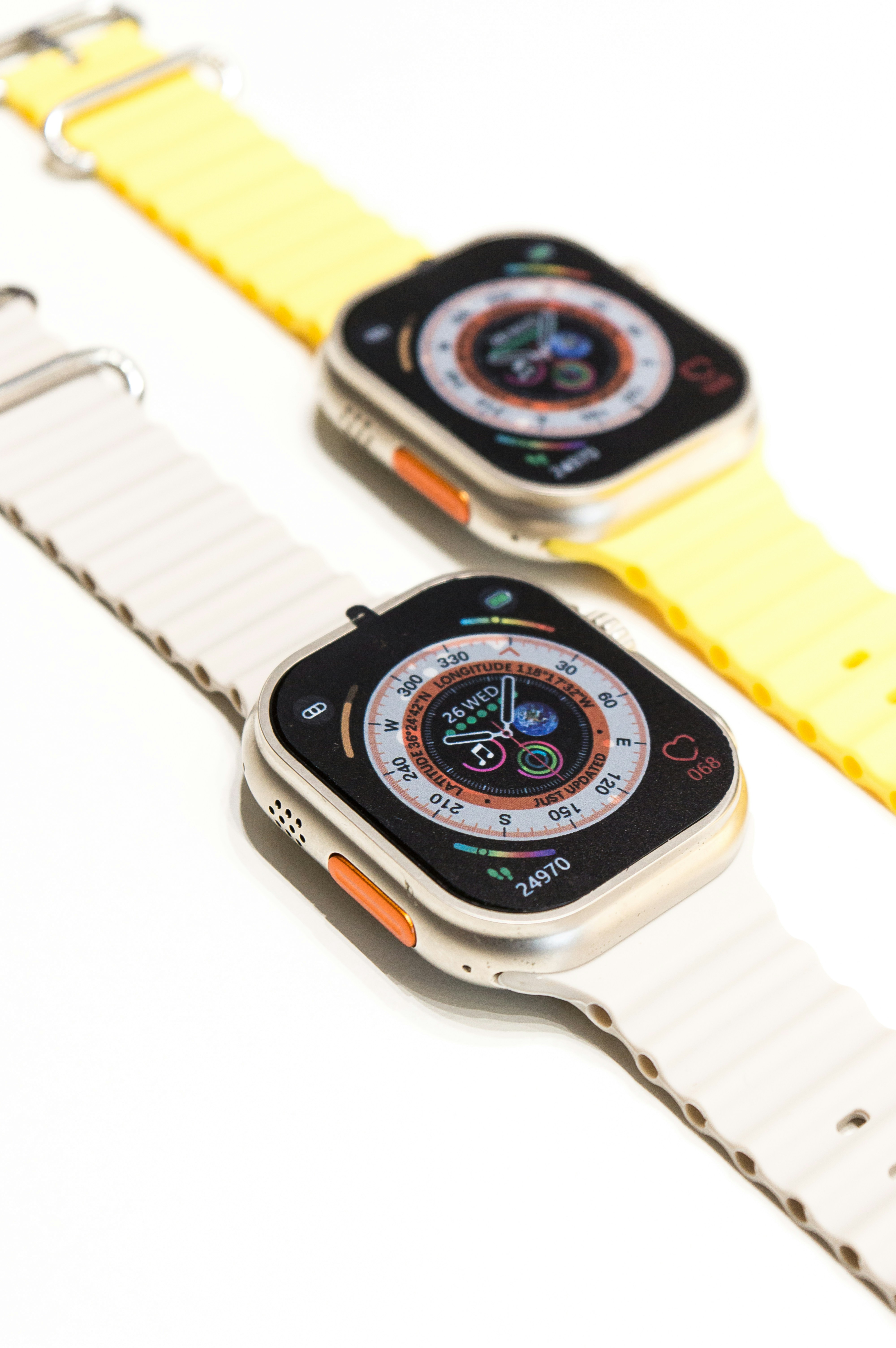
The increasing awareness of personal health has led to a significant demand for health data among consumers. As individuals become more conscious about their wellness, they seek out ways to track their health metrics effectively. This shift in perspective is reflected in the growing ownership of fitness trackers and smartwatches, which are now prevalent tools for monitoring one’s overall well-being. A recent study indicates that approximately 30% of adults in developed nations now own a smartwatch or fitness tracker, highlighting the rising inclination towards wearable technology.
One of the primary factors driving this trend is the desire for measurable health insights. Consumers are particularly interested in metrics that inform their understanding of both their sleep patterns and heart rate. In fact, data shows that around 70% of smartwatch owners utilise their devices to monitor sleep quality, while a similar percentage focuses on heart rate metrics. The ability to gain real-time insights into these critical health indicators plays a pivotal role in consumers’ decision-making processes when purchasing these devices. Users often inquire, “Which smartwatch gives you real sleep insights?” as they compare features that cater to these specific health metrics.
The functionality of health data in smartwatches extends beyond mere statistics; it facilitates informed lifestyle choices. Users can analyse their sleep trends, identifying factors that could be contributing to both insomnia and daytime fatigue. Additionally, heart rate tracking serves not only as a fitness tool but also as an early warning system for potential health issues. As more individuals strive for healthier lifestyles, fitness trackers and smartwatches have surged in popularity, reflecting a broader cultural trend towards self-optimisation through quantifiable health metrics. This growing demand for actionable health data may reshape how wearable technology evolves to meet these consumer needs.
Understanding Sleep Tracking: Importance of Quality Rest
Sleep is an essential component of overall health and well-being, directly impacting physical health, mental clarity, and emotional stability. Quality rest plays a significant role in the body’s recovery processes, including muscle repair and memory consolidation. With the increasing recognition of sleep’s importance, fitness trackers and smartwatches have emerged as valuable tools for monitoring sleep patterns, leading to a key question: which smartwatch gives you real sleep insights?
Sleep tracking features are designed to provide users with rich data regarding their sleep cycles, including the duration and quality of deep, light, and REM sleep. By understanding these patterns, individuals can make informed decisions about their nightly routines and daily habits. Studies indicate that inadequate or poor-quality sleep is linked to serious health issues such as obesity, diabetes, cardiovascular disease, and impaired cognitive function. Consequently, having access to precise sleep data can empower users to improve their sleeping habits, which can lead to enhanced productivity and overall well-being.
Different smart devices utilise various methods to monitor sleep, such as motion sensors, heart rate variability analysis, and even respiratory rate measurement. However, there is variance in accuracy among devices. Users must consider this when evaluating options on the market. Personal testimonials often highlight the positive impact that detailed sleep insights have had on users’ lives—from establishing consistent sleep schedules to recognising sleep disruptions that may require professional attention.
When exploring the question of which smartwatch gives you real sleep insights, consumers should not only assess technical capabilities but also reflect on personal experiences and long-term benefits of incorporating sleep tracking into their health and wellness routines. This intersection of technology and health empowers users to take control of their sleep, ultimately fostering a healthier lifestyle.
Heart Rate Monitoring: A Critical Health Metric
Heart rate monitoring has emerged as a vital feature in fitness trackers and smartwatches, serving as an essential health metric for users concerned about their cardiovascular well-being. Understanding heart rate is crucial, as it is indicative of an individual’s fitness level, stress response, and overall heart health. With the capacity to measure heart rate continuously, these devices allow users to monitor exercise intensity during workouts, track fluctuations throughout the day, and assess their recovery periods. This capability equips individuals with valuable information to optimise their physical activities and maintain their health.
Continuous heart rate monitoring enables users to specifically gauge the intensity of their workouts. By tracking real-time heart rate data, individuals can stay within their target heart rate zones, ensuring that they are exercising at the appropriate intensity to achieve their fitness goals. Furthermore, elevated heart rates can also indicate heightened stress levels; thus, smartwatch features often include stress management insights, helping users better understand their emotional states and adapt their routines accordingly.
The technology behind heart rate tracking in wearables has advanced significantly in recent years. Modern smartwatches utilise optical sensors that employ light to penetrate the skin and measure the blood flow, converting it into heart rate data. This non-invasive method has largely replaced earlier electrocardiogram techniques, making heart rate monitoring more accessible to the general population. Future advancements are poised to enhance the accuracy and reliability of these measurements, with potential integrations of artificial intelligence and machine learning to personalise health insights.
Ultimately, the evolving landscape of heart rate monitoring technologies continues to hold promise for preventive healthcare. By harnessing the data from devices that answer the question “which smartwatch gives you real sleep insights” alongside heart metrics, users can cultivate a more comprehensive understanding of their overall health, empowering them to make informed lifestyle choices.
The Future of Wearable Tech and Consumer Trends
The future of wearable technology, particularly fitness trackers and smartwatches, is poised for significant evolution, driven largely by consumer interest in health data and insights. As individuals increasingly prioritise their well-being, devices that offer robust metrics regarding health and fitness are becoming more desirable. The question of which smartwatch gives you real sleep insights is more relevant than ever, as consumers are looking for reliable devices that provide meaningful data.
Recent advancements in artificial intelligence (AI) and machine learning have enabled these devices to not only collect data but also to analyse and interpret it in ways that support proactive health management. This integration allows for personalised recommendations, ultimately enhancing the user experience. For instance, a smartwatch that accurately tracks sleep quality through sophisticated algorithms can empower users to make data-informed decisions about their sleep hygiene.
Moreover, as technology continues to seep into healthcare, gaining traction among both consumers and healthcare providers, wearable devices will likely play a pivotal role in chronic disease management and preventive health strategies. The notion of continuous health monitoring through smart devices could shift the paradigm from reactive to proactive care, enabling timely interventions and improved outcomes.
However, this upward trajectory does not come without challenges. Data privacy remains a critical concern, with consumers wary of how their information is collected, stored, and utilised. Trust will be paramount; companies must ensure robust data protection measures are in place to assuage concerns. As the landscape of health monitoring devices evolves, addressing these challenges will be essential for sustained consumer adoption and long-term success in the wearable technology market.