
The Rise of Fitness Technology: An Overview
The evolution of fitness technology has significantly transformed how individuals engage with their personal health and fitness goals. This transformation began with the advent of basic pedometers and heart rate monitors but has rapidly progressed into sophisticated smart gadgets integrated into daily routines. By 2025, fitness technology is not merely an accessory; it has become a critical component of a holistic approach to health management and wellbeing.
Recent advancements in smart technology have revolutionized personal fitness. Wearable devices now combine high-level analytics with user-friendly interfaces, providing real-time feedback that encourages users to pursue their fitness aspirations diligently. Technologies such as GPS tracking and heart rate monitoring deliver precise metrics on performance, allowing users to adjust their regimes for optimal results. Such innovations make tracking progress easier and more accurate, greatly enhancing user motivation and engagement.
Moreover, fitness apps have saturated the market, presenting users with tailored workouts, nutrition tracking, and community engagement opportunities. These applications have become essential tools for a predominantly mobile society, enabling fitness enthusiasts to connect with others and share their journeys. They have also harnessed machine learning algorithms that personalise user experiences, adapting workout plans based on individual performance and preferences.
The UK fitness market plays a crucial role in this global trend towards integrating technology into personal health regimes. British innovations in fitness gadgets have inspired developments across the globe, establishing the UK as a leader in the fitness technology sector. With a wide array of options available, people are better equipped than ever to implement effective fitness solutions into their lives. As we move towards 2025, the seamless blend of technology and fitness signifies an exciting future for health and personal achievement.
Smartwatches: Your Fitness Companion
In 2025, smartwatches have evolved into essential fitness companions for health enthusiasts across the UK. These devices are designed not only to tell time but also to provide invaluable health metrics that support various fitness goals. A modern smartwatch typically tracks fundamental metrics such as heart rate, step count, and calorie expenditure, offering users insightful data about their daily activities and overall health status. This data collection is crucial for anyone serious about improving their fitness levels. https://amzn.to/4nuxHI7
Among the most significant features of contemporary smartwatches is their ability to connect seamlessly with numerous fitness applications. This connectivity allows users to access tailored workout plans, monitor progress, and engage with fitness communities. Using Bluetooth technology, these devices can sync data effortlessly with smartphones, making it easier for users to stay on top of their fitness journeys. Additionally, many models are equipped with built-in GPS, which is particularly beneficial for outdoor activities such as running or cycling, allowing users to track distance, pace, and route without needing to carry a phone. https://amzn.to/42mw8E0
Another critical factor to consider when choosing a smartwatch for fitness is its durability and functionality in various environments. Many devices feature water resistance, making them suitable for swimming and other water-based activities. Customizable workouts are also a prominent aspect of modern smartwatches, allowing users to create personal training regimens suited to individual preferences and fitness levels. Popular models in the UK include the Apple Watch Series, Fitbit Versa, and Garmin Forerunner, each offering unique features that cater to different fitness needs. By assessing the various capabilities of these smartwatches, users can make informed decisions tailored to their fitness objectives. https://amzn.to/46BD1nj
Muscle Recovery Tools: Essential for Post-Workout Care
In the realm of fitness, muscle recovery tools have emerged as vital components for athletes and fitness enthusiasts aiming to enhance their performance and reduce post-workout soreness. As we move into 2025, several innovative gadgets are shaping the landscape of muscle recovery, making it easier for individuals to care for their bodies after intense workouts. https://amzn.to/41WhuTL
Percussion massagers are among the most sought-after recovery devices. These handheld tools use rapid bursts of pressure to soothe sore muscles, increase blood circulation, and promote relaxation. The convenience of percussion massagers allows users to target specific muscle groups, making them particularly useful after weightlifting sessions or high-intensity workouts. The affordability and portability of these devices also mean they are becoming staples in many fitness regimens. https://amzn.to/3KlRL0Y
Foam rollers represent another essential tool in the muscle recovery arsenal. These devices, used for self-myofascial release, help alleviate tension and promote flexibility in the muscles. By rolling out tight areas, foam rollers can influence deep muscle tissue and mitigate soreness, making them indispensable for anyone who engages in regular physical activity. The range of available foam roller designs, including those with varying densities and textures, allows users to select one that best meets their individual needs. https://amzn.to/4pkc3YZ
Infrared therapy devices are gaining traction for their ability to aid in recovery through heat application. They work by penetrating deep into muscle tissue to enhance circulation and stimulate healing. Athletes can benefit from the accelerated recovery times these gadgets offer, leading to improved overall performance in subsequent workouts. https://amzn.to/3K7c4iB
As the fitness technology sector evolves, access to muscle recovery tools is becoming more widespread. With numerous options available on the market, selecting the right tools involves considering personal fitness goals, workout intensity, and individual body requirements. In 2025, these advancements in recovery technology ensure that anyone committed to fitness can enhance their recovery and overall health. https://amzn.to/4glWRGw
Wearable Fitness Trackers: Monitoring Your Progress
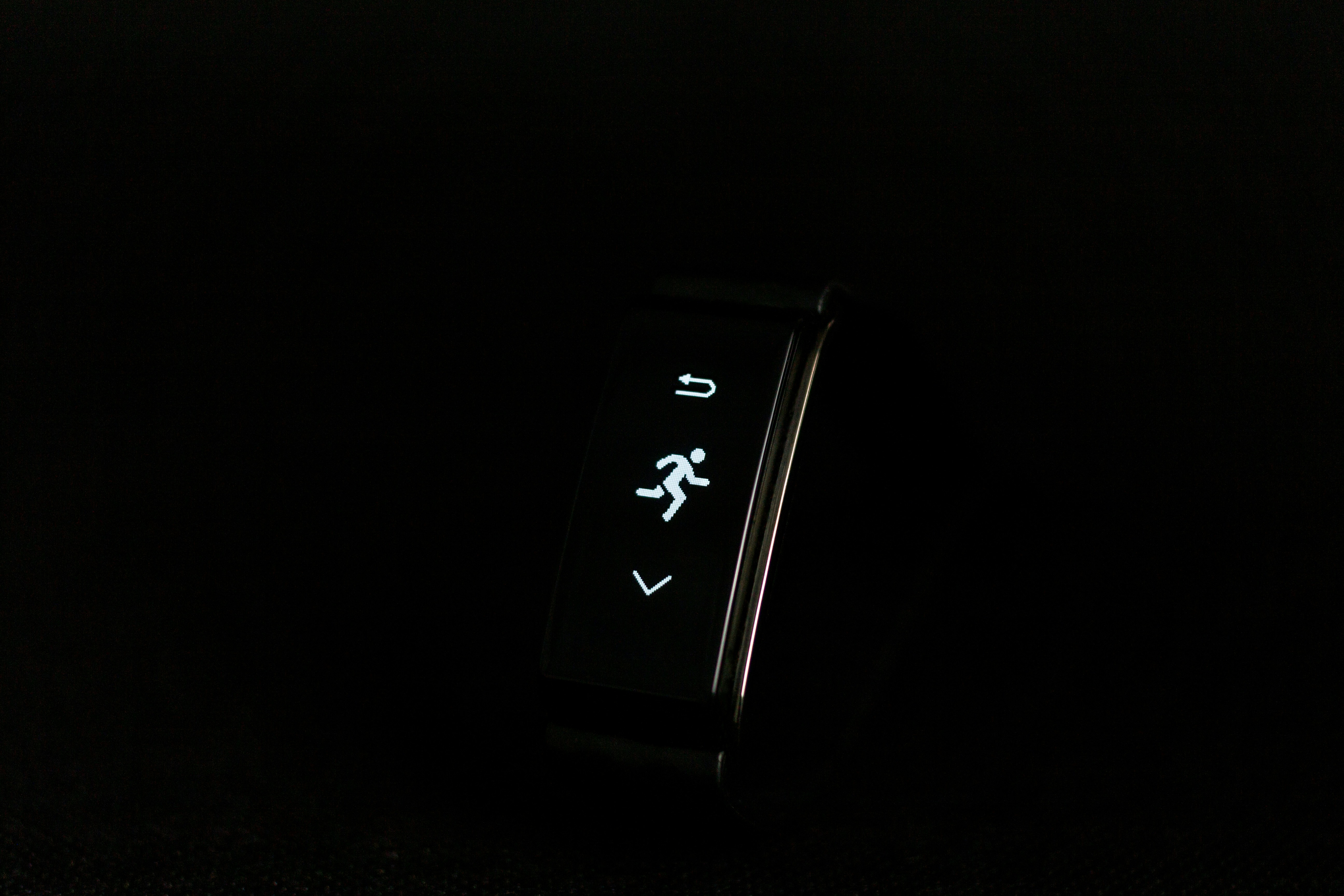
In recent years, wearable fitness trackers have evolved from simple pedometers to sophisticated devices that provide a comprehensive view of personal health and fitness. In 2025, these advanced gadgets offer an array of metrics beyond traditional step counting, including sleep quality, blood oxygen levels, and insights into stress management. As individuals strive to meet their fitness goals, monitoring progress has become essential, and these devices serve as indispensable tools in that journey.
Modern fitness trackers incorporate various sensors and technologies that allow users to gain a deeper understanding of their physical conditions. For instance, enhanced sleep tracking features not only measure the duration of sleep but also analyze sleep cycles, helping users identify patterns that affect their overall health. Additionally, blood oxygen monitoring becomes crucial for those engaging in high-intensity workouts, providing real-time data that can adjust exercise regimens effectively. Furthermore, stress management insights help users recognize stress triggers and implement techniques to maintain mental well-being, vital for any fitness plan.
When selecting the right fitness tracker, it is important to consider individual fitness goals and preferences. For casual exercisers, a device offering basic metrics may suffice, while those with specific objectives might require models equipped with advanced features like heart rate variability or GPS capabilities. Price points vary widely, ranging from budget-friendly options to high-end devices packed with cutting-edge technology. Compatibility with other fitness technologies, such as apps and smart home devices, is another factor to consider, ensuring a seamless integration into existing health regimens.
Ultimately, the right wearable fitness tracker can be a game-changer in achieving health and fitness ambitions. By leveraging the latest advancements in tracking technology, individuals can set achievable goals, monitor progress effectively, and make informed decisions on their health journey.